Фавбет ᐈ Ліцензійне онлайн казино України
Якщо всі дані, що були вказані в особистому кабінеті будуть співпадати на сто відсотків з інформацією, що є в документі, то верифікація буде пройдена успішно.

Unlimited eSIM Data That Never Slows You Down
eSIM unlimited data lets you ditch physical SIM cards and enjoy endless browsing, streaming, and sharing without ever worrying about a data cap. It works by storing your mobile plan digitally right on your phone, so you can activate it in minutes with a simple QR code scan. The best part? You get full-speed, unrestricted connectivity wherever you go, making it perfect for heavy users who want total freedom without hidden charges or throttling nightmares.
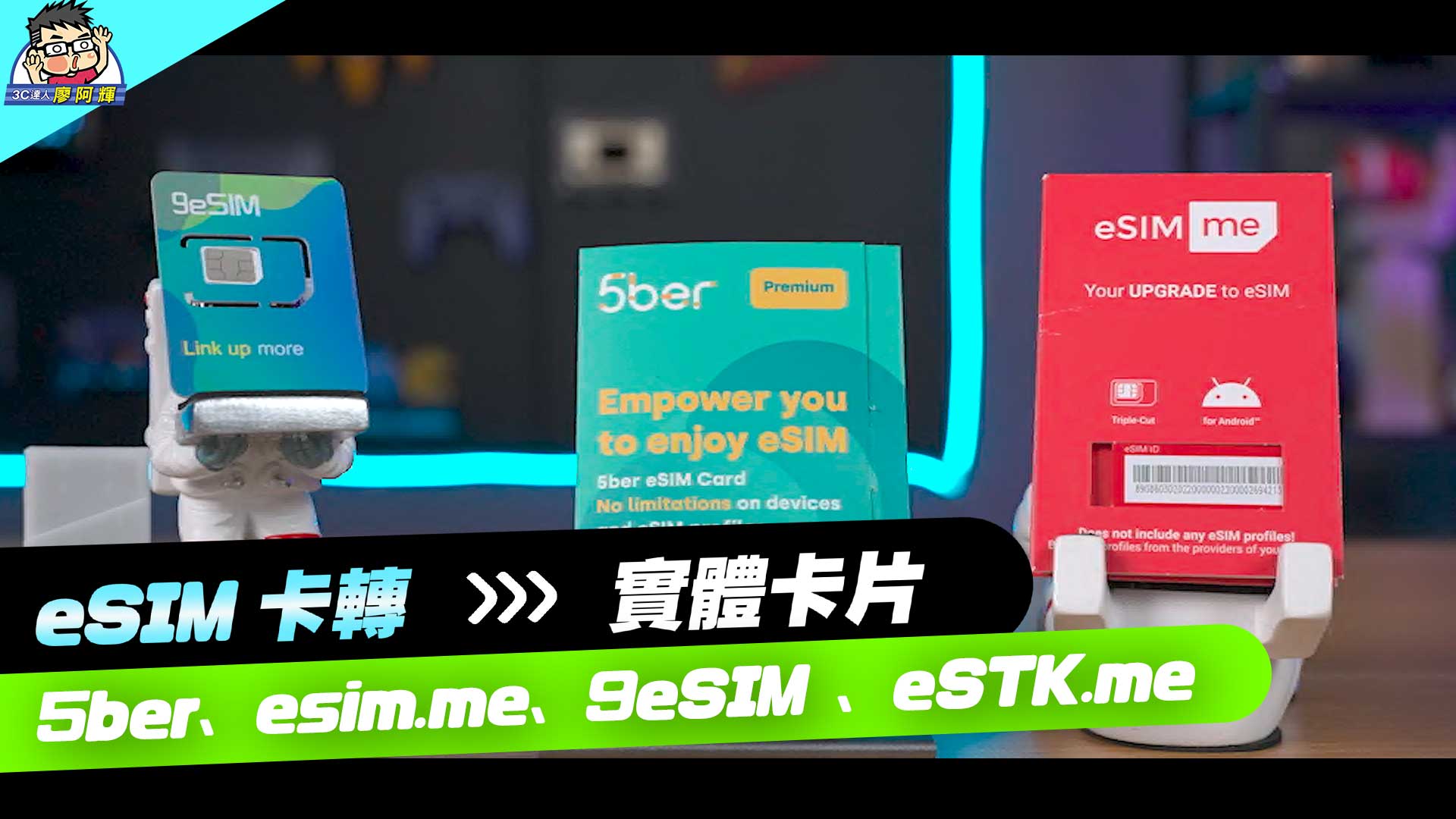
Going data-only with an eSIM unlimited data plan is the future because voice calls are now an app feature, not a separate service. This approach strips away archaic voice quotas and international roaming tiers, giving you one simple, high-speed pipe. With unlimited data, you never hunt for Wi-Fi or juggle multiple SIMs for different countries; your device simply remains online anywhere. Isn’t VoIP chat limited without a traditional line? No, modern apps like WhatsApp and FaceTime offer crystal-clear calls over data, often with better reliability than legacy networks. This setup eliminates contract complexity and roaming shock, making connectivity frictionless and purely about bandwidth. Data is the universal layer for every digital need, from navigation to streaming, and an unlimited eSIM makes that layer permanent and portable.
To choose a high-volume global plan without a physical SIM, first verify the eSIM supports all your destination countries with full-speed data, not throttled roaming. Prioritize plans offering at least 20GB or more for heavy usage, and check if the plan uses a local or regional carrier for stable latency. Confirm the provider allows hotspot tethering and offers a simple management app to monitor consumption. Look for plans with no daily caps or time limits. High-volume global plan compatibility depends on ensuring your smartphone is carrier-unlocked and eSIM-ready. Q: How do I confirm a plan truly offers unlimited data without throttling after a threshold? A: Read the fair usage policy carefully; a genuine unlimited plan has no hard cap, though minor deprioritization may occur during network congestion.

For digital nomads hopping between countries, a pure data package from an eSIM eliminates the need to source and swap local SIMs at each border, outperforming traditional roaming’s per-country plans. Business travelers benefit from predictable, unlimited data for cloud-based apps and video calls without traditional roaming’s expensive daily fees or throttled speeds. Travelers in remote areas find pure data superior when traditional roaming lacks local partnerships, as eSIMs often tap regional networks directly. For long-term explorers, a single data-only eSIM avoids traditional roaming’s short validity windows, providing consistent connectivity across multiple destinations. This approach creates uninterrupted cross-border connectivity without the hassle of changing numbers or managing expired roaming passes.
When you’re deep in a mobile workflow, coverage maps for worldwide streaming become your lifeline, especially with an eSIM unlimited data plan. I once landed in a remote Alaskan fishing village, relying on a provider’s live map to find the only local LTE node that promised 4K playback—the map’s color-coded zones showed a 10-mile dead zone where streamed video would buffer endlessly. With unlimited data, I didn’t worry about caps, but the coverage heatmap dictated my route: I stayed within the eSIM’s partnered tower range, testing bitrate stability by moving closer to the map’s darkest-shaded area. That practical breakdown of signal strength turned a potential offline nightmare into a seamless streaming session.
When selecting an eSIM for unlimited data streaming, only specific carriers deliver consistent true 5G speeds across continents. In North America, T-Mobile and Verizon provide high-band mmWave in dense cities. Europe relies on Swisscom, Deutsche Telekom, and EE in the UK for mid-band coverage that avoids the congestion of lower tiers. In Asia, South Korea’s SK Telecom and Japan’s NTT Docomo lead with stable multi-gigabit downloads. Oceania’s Telstra offers the most reliable 5G in Australia. Q: Which single network ensures true 5G across multiple continents? A: No one carrier does; you must select a global eSIM that partners with these specific operators in each region to avoid throttled “5G” that is actually 4G roaming.
Understanding throttling policies and fair usage caps is critical when using an eSIM for “unlimited” data while streaming worldwide. Even on an unlimited plan, carriers impose a fair usage cap, typically around 10–50 GB per month, after which speeds drop to 128–512 kbps. This reduction makes high-definition video buffering or stalling. Some eSIM providers throttle only during peak network congestion, not after a hard data limit. Always check the provider’s “fair use” fine print before traveling to avoid unexpected slowdowns.
When comparing regional versus global data-heavy eSIM unlimited data plans, a regional option often provides superior cost-per-GB for heavy usage within a specific zone, like Europe or Asia, while a global plan offers convenience across multiple continents at a premium. Regional unlimited data typically includes higher full-speed thresholds, whereas global unlimited plans may throttle after a significantly lower cap, impacting streaming and frequent large transfers. Your choice depends on whether your travel pattern concentrates data consumption in a few countries, favoring regional, or demands seamless connectivity across disparate regions, justifying the global trade-off. For sustained, high-volume tasks like 4K video conferencing or cloud uploads, a regional plan is more reliable; a global plan suits lighter, multi-destination browsing. Always verify the true “unlimited” terms, as fair usage policies vary drastically between these two categories.

For Europe and Asia travelers, the best unlimited-style eSIM plans typically feature daily or monthly data caps rather than true unlimited throughput, optimizing for cost and network access. A standout option is a regional multi-country eSIM covering 30+ European nations, often offering 10–20GB of high-speed data before throttling, with Asia-specific regional plans covering Japan, South Korea, and Thailand using local carriers like SoftBank or AIS. These plans usually include 4G/5G connectivity without contract lock-ins, ensuring seamless roaming across borders.
For travelers shifting focus from North America to Oceania, the value calculation for unlimited eSIM data changes significantly. In North America, high-speed unlimited data plans are widely competitive, often including Canada and Mexico, making them cost-effective for heavy streaming and navigation across large distances. However, Oceania’s geography flips this logic: unlimited plans here are often throttled after a lower threshold (e.g., 20-30 GB) because network infrastructure is more regionally segmented. A traveler relying on constant 4K video outside major Australian coastal cities may find Oceania’s “unlimited” less boundless than North America’s equivalent tier. The practical sequence for deciding is straightforward:
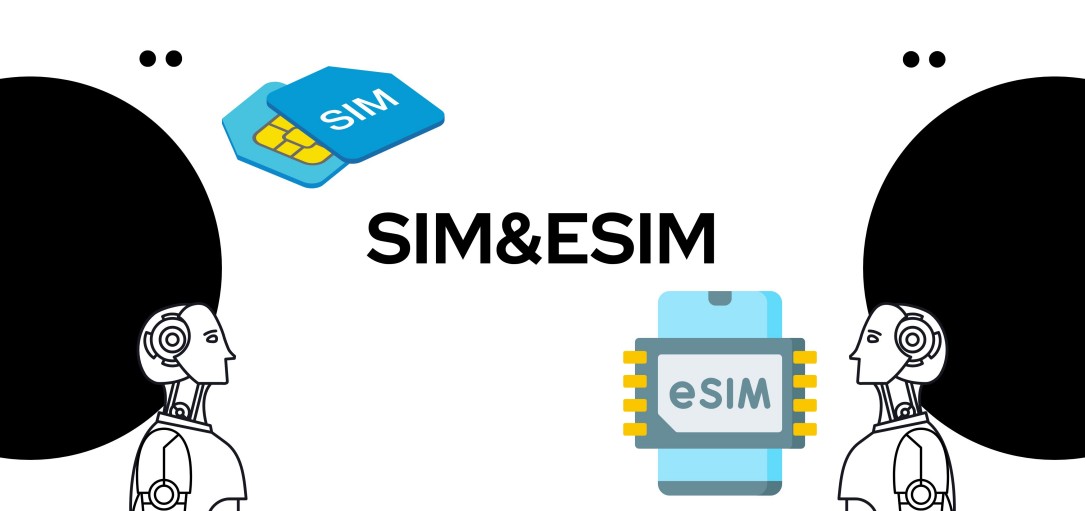

The promise of eSIM unlimited data often unravels the moment you try to activate it. I once bought a plan boasting “no limits,” only to hit a paywall during setup: the provider demanded a mandatory “platform fee” of $5 for the eSIM profile itself, which wasn’t listed in the checkout. Then, after sliding the QR code, my phone showed “activation pending” for hours—support later admitted my device needed a specific APN that wasn’t documented anywhere. That hidden step wasted a full day of my trip. Q: What is the most common activation pitfall I should watch for? A: Providers often require a manual APN entry or a separate “top-up” to kickstart the unlimited data, but bury those instructions in fine print, so your connection stays dead until you pay again. Always test with a small data packet first before committing to a full “unlimited” cycle.
An “unlimited” eSIM plan that vanishes after the first gigabyte typically relies on a severe throttling mechanism. You must scrutinize the Fair Usage Policy, which often buries the true threshold. After exceeding that initial gigabyte of high-speed data, the provider may drop your speed to an unusable 128 kbps or even block data entirely, effectively terminating the service until the next billing cycle. This “first gigabyte trap” is a common activation pitfall where the plan’s advertised name contradicts its performance reality.
Spotting Plans That Vanish After the First Gigabyte requires identifying the exact throttling threshold and degraded speed in the fine print, as unlimited is often limited after a single gigabyte of use.
For short trips, a high-speed offer is often smarter than a full “unlimited” plan because you avoid paying for data you won’t use. Many unlimited subscriptions bury activation fees or daily minimums that kick in regardless of how little you actually consume. Short-term high-speed packages let you pick a specific tier—like 5GB over seven days—so you only pay for what you need, sidestepping those hidden costs. This makes short-trip high-speed plans a budget-friendly choice, as you’re never subsidizing unused capacity or surprise charges.
For short trips, high-speed offers beat unlimited plans by letting you pay only for usable data, avoiding hidden fees tied to unused bandwidth.
To maximize mobile data efficiency with an eSIM unlimited data plan, first disable background app refresh for non-essential applications under your device’s cellular settings. This prevents data consumption from apps syncing when unused. Next, enable Low Data Mode within your eSIM’s network settings; this pauses automatic updates and reduces video streaming quality. For apps that allow it, restrict video playback to 480p resolution in streaming settings to drastically lower per-session data usage. Finally, download maps, music, and other content over Wi-Fi while in range, then use your unlimited eSIM only for live navigation or necessary cloud syncs, ensuring you avoid unnecessary large downloads on the cellular network.
To unlock full speed on virtual SIMs with an eSIM unlimited data plan, accurate APN settings are critical. An incorrect or generic APN can throttle throughput and increase latency. First, obtain the precise APN string from your eSIM provider’s activation guide. Next, navigate to your device’s mobile network settings and create a new APN profile. Enter only the specified fields, such as APN, username, and password, leaving others as default. Save and select this profile. Finally, reboot the device to force the network to register with the correct parameters, which ensures optimized eSIM APN configuration for maximum data throughput. Apply this sequence consistently:
Keeping your primary line active with dual SIMs is all about smart routing. Set your eSIM primary line data as the default for all mobile data, but ensure your secondary SIM handles calls and texts on your primary number. This prevents your main line from disconnecting for calls while you’re using the eSIM data. Most phones let you assign a “preferred SIM for calls”—pick the physical SIM for voice. Also, disable “Data switching” in SIM settings to avoid the secondary SIM burning your primary carrier’s data. Your eSIM stays focused on unlimited data, while China eSIM your primary line remains live for essential communication.
Real user feedback on top-tier data packages reveals that **esim unlimited data** plans often deliver inconsistent speeds during peak network congestion, contradicting the “unlimited” label. Frequent travelers report that premium tiers maintain full-resolution streaming only in specific regions, with throttling occurring after 30–50GB in others. Users consistently criticize the lack of transparent fair-use policies, as hidden deprioritization clauses degrade video calls and hotspot usage. The most valued feedback highlights that **top-tier data packages** must explicitly guarantee minimum 4G speeds and include multi-country coverage without additional surcharges to justify their cost. Practical advice from heavy users recommends testing the global roaming performance during a trial period before committing to monthly billing.

Frequent flyers reveal that always-on connectivity with eSIM unlimited data requires strategic device management. A key lesson is that background app refresh drains data stealthily, even with unlimited plans, causing throttling during peak travel hours. They emphasize manually disabling automatic updates for navigation and messaging apps before boarding. Another insight is that dual-SIM phones must default the data line to the eSIM, as physical roaming SIMs often degrade connectivity. Finally, users stress powering devices off during layovers to prevent the eSIM from searching for weak signals, which wastes battery without providing usable speed.
Frequent grievances about eSIM refill failures plague user feedback, often citing lost balances or activation delays after payment. Customers report hours-long waits for chat agents who lack access to billing logs, forcing repeated identity verification. Refills sometimes credit incorrectly, requiring manual correction that disrupts data continuity. Users must screenshot every transaction, as providers rarely auto-flag failed top-ups.
Future trends point toward eSIM unlimited data plans that utilize embedded multi-network aggregation, letting your device simultaneously connect to several local carriers while roaming. This eliminates the single-network bottleneck, ensuring consistent high-speed access even in congested areas. How will roaming data avoid deprioritization? Plans will increasingly adopt real-time network switching, instantly moving your session to a less loaded adjacent tower when speeds drop, maintaining an endless, queue-free experience without interrupting active usage. The practical evolution also includes profile-based throttling, where video streaming or file downloads auto-adjust resolution based on available signal strength, preventing sudden stalls.
For digital nomads, the shift toward truly no-cap solutions means eliminating the hidden throttling and deprioritization that traditionally cripple “unlimited” plans after a soft limit. These next-generation eSIMs enforce zero fair-use policies, allowing full-speed true unlimited data streaming regardless of daily or monthly usage. This guarantees stable 4K video calls, cloud backups, and large file uploads from any location without service degradation. Nomads can now maintain consistent workflows across continents without monitoring their gigabyte consumption or facing unexpected speed reductions.
IoT devices and wearables are reshaping unlimited mobile networks by demanding persistent, low-latency connections that eSIM infrastructure now supports. Smartwatches, fitness trackers, and connected sensors require continuous data streams for real-time health monitoring or location updates, even while roaming. eSIMs enable these devices to autonomously switch between network profiles without user intervention, ensuring seamless data flow. Seamless device-to-network handoff is now standard. A clear sequence emerges:
This eliminates the manual SIM swapping that previously interrupted wearable functionality abroad, making unlimited data truly device-centric rather than phone-dependent.