If user metropolitan areas a passionate ante, both sides are has worked a hand of 5 cards
9. Caribbean Stud Casino poker Caribbean Stud is actually multiple the five-cards stud web based poker video game which had been changed which have casino

Cultural roots of gambling Why it matters today
The practice of gambling has deep historical roots that stretch back thousands of years. Its origins can be traced to ancient civilizations such as China, where the earliest known forms of betting were documented through games involving dice and other rudimentary materials. In these cultures, gambling wasn’t merely a pastime; it served as a form of social engagement and a means of engaging in competition. The rituals surrounding these activities often carried significant cultural weight, intertwining with religious practices and societal norms. Players can also explore the best new online casino nz real money for an exciting online experience.

As gambling spread across different regions, it evolved alongside the cultures it encountered. In ancient Rome, for example, citizens engaged in games of chance, often wagering on chariot races and gladiatorial contests. These activities were sanctioned and heavily integrated into the social fabric of Roman life, demonstrating that gambling was not simply a recreational activity, but a crucial aspect of community interactions and identity. Over time, as various societies adopted gambling practices, the games evolved, leading to the rich variety of gambling formats we see today.
This historical evolution signifies that gambling is not just an isolated phenomenon; it is reflective of the societies that embrace it. Understanding its roots provides insight into why gambling remains prevalent today. As cultures continue to change and adapt, the underlying appeal of gambling—risk, reward, and social interaction—remains constant, underscoring its enduring significance across generations.
Cultural context plays a crucial role in shaping attitudes towards gambling. Different societies have varied perceptions of gambling, which can influence both participation levels and regulatory frameworks. In some cultures, gambling is seen as a benign form of entertainment, an opportunity for socialization and celebration. In others, it may be stigmatized or viewed as a moral failing. For instance, many Asian cultures embrace gambling as part of festive activities, while certain Western societies may approach it with more caution, focusing on its potential for addiction.
The integration of gambling into cultural rituals further exemplifies its importance. Festivals and community events often incorporate games of chance, fostering a collective spirit among participants. In places like Macau, gambling has become an essential part of the local economy, intertwining with cultural identity and tradition. This cultural integration highlights how gambling can serve both economic and social functions, reinforcing community bonds while also contributing to local and national revenues.
Additionally, as globalization continues to connect cultures, the exchange of gambling practices has led to a blending of traditions. Online gambling platforms are making various types of games more accessible than ever, allowing individuals to engage with gambling practices from around the world. This evolution not only reflects changing cultural landscapes but also sparks dialogue about the implications of gambling in a more interconnected society.
The allure of gambling is often rooted in psychological factors that attract individuals from diverse backgrounds. The thrill of risk-taking, the excitement of potential rewards, and the escapism that gambling provides can be incredibly enticing. Research has shown that the brain responds to the excitement of gambling in a manner similar to addiction, leading to the pleasurable sensations associated with winning. This psychological dimension contributes to the sustained popularity of gambling across cultures.
Moreover, the social aspects of gambling also play a significant role. Many people enjoy the camaraderie that can develop in settings such as casinos or online gambling rooms. Shared experiences—whether winning or losing—create a sense of community among players. This social interaction often reinforces the notion of gambling as not just a solitary endeavor, but a collective activity that enhances personal relationships and builds networks of support among players.
Despite the potential downsides, such as gambling addiction, the psychological factors driving engagement in gambling activities cannot be overlooked. The blend of risk, reward, and social bonding contributes to its lasting appeal. Understanding these psychological aspects allows for a more nuanced perspective on gambling, emphasizing the balance between enjoyment and responsible participation in these activities.
The cultural roots of gambling have also paved the way for contemporary regulations that address the complexities surrounding it. As societal views on gambling shift, policymakers are increasingly aware of the need to establish frameworks that protect vulnerable individuals while allowing for responsible enjoyment. Many countries have implemented measures that regulate gambling establishments, ensuring fair play and consumer protection, reflecting a growing consensus on the importance of oversight in gambling practices.
These modern regulations often vary significantly based on cultural attitudes toward gambling. In jurisdictions where gambling is embraced, regulations may be more lenient, allowing for a thriving industry. In contrast, places with more restrictive views may impose stringent limits or outright bans, creating a stark divide in accessibility and experience. This divergence highlights the ongoing dialogue around gambling’s place in society and the cultural values that inform these legal frameworks.
Moreover, the emergence of online gambling platforms has necessitated new regulations that address the unique challenges presented by digital environments. As players engage in gambling through apps and websites, it becomes increasingly important for regulators to ensure fairness, transparency, and accessibility. This evolving landscape underscores the need for ongoing discussions about how best to balance cultural acceptance of gambling with the need for responsible governance.
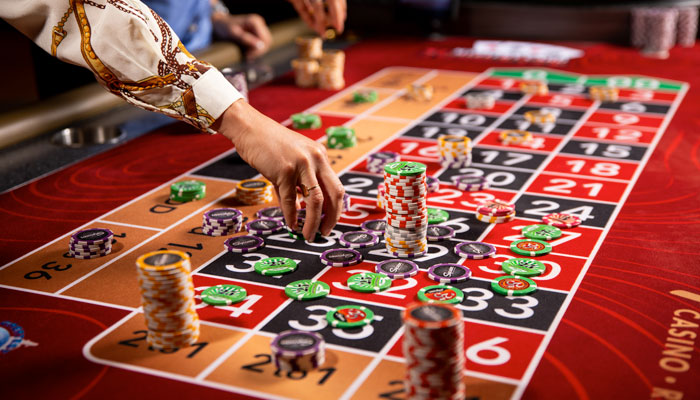
The contemporary landscape of gambling is dynamic and continually evolving, driven by technological advancements and cultural exchanges. Online casinos and virtual reality gaming are reshaping how individuals experience gambling, making it more immersive and accessible. These innovations reflect a cultural shift towards digital engagement, and they are attracting a new generation of players who may have different attitudes toward gambling compared to previous generations.
As gambling continues to grow in both popularity and complexity, understanding its cultural roots becomes increasingly important. Recognizing how historical practices and societal perceptions influence modern gambling can help stakeholders create experiences that resonate with a broader audience. This cultural awareness not only enhances player experiences but also fosters discussions about responsible gambling practices and the need for protective measures.
With the rise of new forms of gambling, communities are facing both opportunities and challenges. Cultural dialogues about gambling’s role in society are becoming essential as we navigate the intersection of tradition and innovation. The future of gambling culture will likely depend on how well it adapts to these changes while respecting its rich historical roots.